Common Food Safety Violations in Ontario Workplaces
Food safety violations in Ontario workplaces—including restaurants, cafés, catering, and institutional kitchens—can result in harsh fines, closures, and public scrutiny. Understanding the most common Ontario food safety inspection violations is essential for compliance, protecting your business, and keeping the public safe. This guide reveals the top violations, what triggers penalties, and how to avoid costly mistakes.
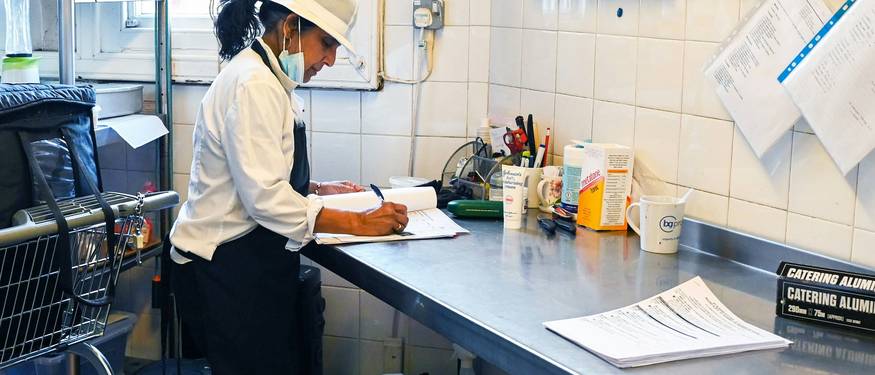
What Are Food Safety Violations?
Food safety violations are actions, omissions, or conditions that break Ontario’s food safety laws (including the Food Premises Regulation). Violations range from improper handwashing and unsafe food storage to pest infestations and missing certification. Ontario’s public health inspectors conduct regular (and surprise) inspections—violations can lead to instant fines, compliance orders, public postings, or even business closure.
Top 10 Most Common Food Safety Violations in Ontario
Staff not washing hands at required times or using improper technique—e.g., skipping soap or using food sinks.
Raw meats touching ready-to-eat foods, or using the same equipment without proper cleaning.
Fridges above 4℃, freezers above -18℃, hot-holding below 60℃, or lack of temperature logs.
Food contact surfaces or equipment not cleaned and sanitized regularly or correctly.
Signs of mice, insects, or other pests—droppings, gnawed packaging, traps not maintained.
Food past best-before or spoiled; not labeled or dated.
No temperature logs, sanitizer checks, or cleaning records available during inspection.
No certified food handler present during food prep or service (required by law).
Food stored on the floor, in unclean areas, or without proper labeling.
Staff wearing jewelry, dirty clothing, or failing to tie back hair; no hairnets where required.
| Violation | Description | How to Avoid |
|---|---|---|
| Improper handwashing | Skipping handwashing, improper technique, or using food sinks. | Install signage at sinks; train staff; ensure sinks are always stocked with soap and towels. |
| Cross-contamination | Mixing raw and ready-to-eat foods, unclean utensils, or surfaces. | Use colour-coded cutting boards; clean/sanitize between tasks; store raw items below cooked. |
| Temperature control | Improper fridge/freezer/hot holding temperatures or missing logs. | Check and log temps twice daily; calibrate thermometers; fix faulty units immediately. |
| Poor cleaning/sanitizing | Infrequent or incorrect cleaning of food contact surfaces/equipment. | Use sanitizer test strips; set cleaning schedules; visually inspect after cleaning. |
| Pest infestation/evidence | Active pests or signs (droppings, damage) in food areas. | Seal entry points; keep food areas clean; contract pest control if needed; document checks. |
| Expired/spoiled food | Food past expiry, spoiled, or undated. | Label and date all food; use FIFO (first-in, first-out); discard expired items promptly. |
| Missing records/logs | No documentation of required checks (temps, sanitizer, cleaning). | Use daily/weekly checklists; keep logs in a visible binder or digital folder. |
| No certified staff | Failure to have a certified food handler on-site when required. | Certify multiple staff; schedule so a certified person is always present. |
| Unsafe storage | Food stored on the floor, in unapproved areas, or without labels. | Use shelving; store food 15cm off the floor; label all items by name and date. |
| Poor employee hygiene | Staff with improper attire, jewelry, or unrestrained hair. | Enforce dress code; post reminders in staff areas; conduct spot checks. |
Ontario Food Safety Inspection Penalties and Fines
Ontario’s public health inspectors regularly visit food premises—sometimes with no notice. Violations can result in:
- Immediate fines (often $250–$1,000+ per offense)
- Compliance orders (must fix violations by a set deadline)
- Public posting of inspection results (online & window sticker)
- Temporary business closure for critical risks (e.g., pests, no certified staff, unsafe food)
- Repeat or severe violations may result in prosecution and higher penalties
$5,000 per offense (for individuals); $25,000 per offense (for corporations)
Active pests, no running water, sewage backup, or no certified food handler present.
Your inspection results are posted online and may be visible at your entrance.
Passed vs. Failed Inspections: What Makes the Difference?
| Passed Inspection | Failed Inspection |
|---|---|
|
|
| Pass – No violations found, or any minor issues corrected on the spot. Green inspection card posted publicly. | Failed – Compliance order issued, possible closure, fines, and yellow/red inspection card posted publicly. |
How to Avoid Food Safety Violations in Ontario: Preparation Checklist
- Check fridge, freezer, and hot holding temperatures at least twice daily—log results and take immediate action if out of range.
- Inspect handwashing stations—soap, paper towels, and hot water must always be available. Post signage near every sink.
- Review all food items—label, date, and discard expired or spoiled products. Use FIFO (first-in, first-out).
- Sanitize equipment and food contact surfaces before and after use. Use test strips to verify sanitizer strength.
- Check for pests—inspect storage, wall edges, and under equipment. Log findings and take action immediately if needed.
- Keep daily records—temperature logs, cleaning schedules, pest checks, and staff certifications should be ready for inspectors.
- Ensure a certified food handler is always present during food prep or service. Schedule shifts accordingly.
- Train staff on hygiene and dress code—no jewelry, clean uniforms, hair restraints as required.
- Assign responsibility—make one person accountable for completing checklists each shift.
- Welcome inspectors professionally—be ready to show documentation and correct minor issues on the spot.
Frequently Asked Questions: Ontario Food Safety Violations
Related Resources
- Certification Requirements – Who needs certification, what’s required by Ontario law, and how to stay compliant.
- Food Safety Checklists – Daily, weekly, and opening/closing checklists for Ontario food businesses.
- Hygiene Standards – Key cleanliness and hygiene rules for Ontario workplaces.
- Food Safety FAQ – In-depth answers to the most common food safety questions in Ontario.
- Certification is mandatory for food handlers in most commercial and institutional kitchens.
- At least one certified person must be present whenever food is prepared or served.
- Training can be completed online or in-person—just make sure your provider is government-approved.
- Regular checklists and hygiene standards help you avoid costly violations.
- Fridges or freezers not cold enough
- Pests or signs of infestation
- No certified staff on duty
- Missing logs and records
- Food stored on floor or unlabeled