Food Handler Training in Ontario: What You Need to Know
Learn how to meet Ontario's food handler training requirements, choose an approved course, and get certified with confidence. This guide explains who needs food handler training in Ontario, what's covered in official courses, and how to ensure your certificate is valid for work in restaurants, catering, retail, and more.
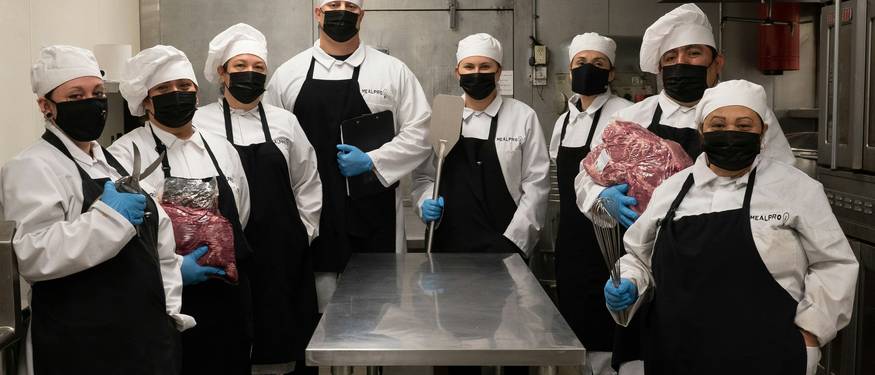
Why Food Handler Training Matters in Ontario
Food handler training is not just a best practice—it's a legal requirement for most Ontario food businesses and staff. Certified food handlers help prevent outbreaks, protect public health, and keep businesses open and respected. Ontario law requires food handler training for key staff in restaurants, cafeterias, food trucks, catering companies, daycares, and more. Both employers and employees are responsible for compliance.
- Required by Ontario law for most food premises
- Reduces risk of foodborne illness outbreaks
- Helps you pass public health inspections
- Fines for non-compliance: $250–$1,000+
What is Food Handler Training?
Food handler training equips staff with the essential skills and knowledge to handle, prepare, and serve food safely according to Ontario regulations. It covers critical topics like personal hygiene, cross-contamination prevention, safe food storage, cleaning and sanitizing, temperature control, allergen management, and legal responsibilities. Food handler training is distinct from general workplace safety training—it's focused on preventing foodborne illness and ensuring regulatory compliance.
Who Needs Food Handler Training in Ontario?
If you handle, prepare, or serve food to the public in Ontario, you likely need food handler training and certification. This includes:
- Kitchen staff (cooks, prep, dishwashers)
- Servers and front-line staff
- Supervisors and managers
- Owners/operators working on site
- Food truck and mobile vendor staff
- Catering company employees
- Staff/volunteers at temporary events and markets
- Institutional staff (schools, daycares, long-term care)
- Anyone responsible for food prep or service to the public
What’s Covered in Ontario Food Handler Courses?
Approved Ontario food handler certification training covers a standardized set of topics, ensuring all food handlers have the knowledge to keep food safe and comply with provincial laws. The required curriculum includes:
| Training Topic | What You’ll Learn |
|---|---|
| Personal Hygiene | Handwashing, illness reporting, proper attire, jewelry rules |
| Cross-Contamination | Preventing transfer between raw/cooked foods, utensils, and surfaces |
| Safe Food Storage | Labeling, dating, FIFO (first-in, first-out), proper storage temperatures |
| Temperature Control | Cooking, cooling, holding, and reheating foods within safe temperature ranges |
| Cleaning & Sanitizing | How to properly clean and sanitize equipment and work areas |
| Allergen Management | Preventing allergic reactions, labeling, and safe food handling |
| Pest Control | Identifying, preventing, and reporting pest issues |
| Legal Responsibilities | Ontario food safety laws, inspections, and certification rules |
Tips for Effective Food Handler Training & Study
- Choose the right format: In-person and online courses are available—pick the one that fits your schedule and learning style.
- Review real-world scenarios: Practice with case studies and checklists to prepare for the exam and daily work.
- Use study guides & practice quizzes: Most approved courses provide resources—use them!
- Group learning: Study with co-workers or friends; discuss tricky topics together.
- Ask for help: Don’t hesitate to contact your provider with questions about course material or exam logistics.
How to Choose the Right Food Handler Course
To be legally recognized in Ontario, your food handler training must be provided by an approved provider. Look for:
- Explicit mention of Ontario Ministry of Health approval
- Secure, proctored exam (online or in-person)
- Comprehensive curriculum matching Ontario law
- Clear policy on certificate validity and renewal
Ontario Food Handler Training Topics Checklist
| Topic | Ontario Requirement? | What You Should Know |
|---|---|---|
| Hand Hygiene | Yes | Proper handwashing technique, glove use, when to wash |
| Illness Reporting | Yes | When to stay home, reporting symptoms, employer obligations |
| Safe Food Storage | Yes | Correct fridge/freezer temperatures, labeling, avoiding cross-contamination |
| Cleaning & Sanitizing | Yes | Using approved sanitizers, cleaning schedules, verification methods |
| Food Preparation Safety | Yes | Cooking and reheating temperatures, cooling methods |
| Allergen Management | Yes | Identifying allergens, preventing cross-contact, responding to reactions |
| Pest Control Basics | Yes | Preventing infestations, identifying signs, reporting issues |
| Ontario Legal Requirements | Yes | Food Premises Regulation, inspection process, certification renewal |
| Customer Service & Communication | Recommended | Answering questions about food safety/allergens |
| First Aid for Food Handlers | Optional | Responding to minor injuries and incidents |
Frequently Asked Questions: Food Handler Training Ontario
Related Resources
- Certification Requirements – Who needs certification, legal rules, and workplace obligations for Ontario food handlers.
- Approved Training Providers – Find a recognized provider for safe food handling courses in Ontario.
- Best Practices – Practical tips and routines for food safety compliance in Ontario kitchens.
- FAQ – Answers to common questions about training, renewal, and legal requirements.