Ontario Kitchen & Workplace Hygiene Standards
Learn the essential hygiene standards and legal requirements that every Ontario food premises must follow. This guide breaks down cleaning, handwashing, pest prevention, staff health, and food storage rules under O. Reg. 493/17—making compliance simple for restaurants, cafeterias, commercial kitchens, and workplace food areas.
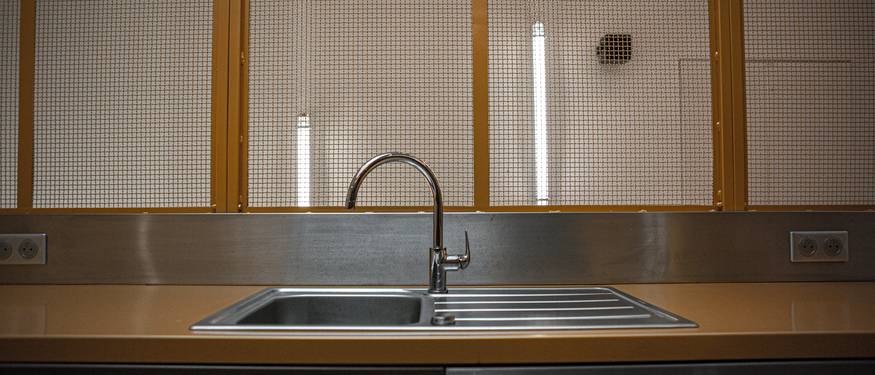
Why Hygiene Standards Matter in Ontario Food Premises
High hygiene standards are not just recommended—they are legally required for all Ontario food premises under the Food Premises Regulation (O. Reg. 493/17). Compliance protects your business, your staff, and the public from foodborne illness and costly violations. Whether you run a restaurant, café, catering business, workplace kitchen, or institutional cafeteria, these rules apply to every step of food handling and preparation.
The Five Pillars of Ontario Kitchen Hygiene
Master these core areas to meet legal standards and pass every inspection.
Cleaning & Sanitizing
Keep all food contact surfaces and equipment spotless and sanitized.
Learn MorePest Prevention
Eliminate pests and block entry points to protect food from contamination.
Learn MoreCleaning & Sanitizing: Ontario Requirements
O. Reg. 493/17 requires all food contact surfaces, equipment, and utensils to be cleaned and sanitized regularly—before and after each use, and whenever contamination is possible.
- Use a sanitizer at the correct concentration (e.g., bleach 100–200 ppm or per manufacturer’s directions).
- Clean spills and food debris immediately to prevent bacterial growth.
- All cleaning cloths and sponges must be washed and sanitized between uses.
- Dishwashing sinks must be separate from handwashing sinks.
- Keep sanitizer test strips at each station—inspectors will check!
Handwashing: What Ontario Law Requires
- Handwashing sinks must be accessible, stocked with liquid soap, and single-use towels (O. Reg. 493/17 s. 33).
- Staff must wash hands: BEFORE food prep, after handling raw food, after using the washroom, after handling garbage, after touching face/hair, and after any contaminating activity.
- Never use food prep sinks for handwashing.
- Post signage at every handwashing station.
Pest Prevention: Legal Standards & Best Practices
- All food premises must be free of pests—no evidence of rodents, insects, or contamination is allowed (O. Reg. 493/17 s. 20).
- Seal all cracks, holes, and external openings; doors should be self-closing or tightly fitted.
- Store food 15cm (6 inches) above floor to prevent access by pests.
- Garbage must be stored in pest-proof, covered containers and removed regularly.
- Keep a pest log and contract with pest control if recurring issues arise.
Staff Health: Exclusion & Hygiene Rules
- Exclude staff with symptoms of vomiting, diarrhea, fever, or infectious disease from food handling (O. Reg. 493/17 s. 32).
- Report outbreaks or illness clusters to your local public health unit.
- No jewelry (except plain band), clean uniforms, and hair tied back or restrained.
- Provide and enforce dress code and hygiene policies in staff areas.
Food Storage: Temperature & Labelling Requirements
- All perishable food must be kept at 4°C (39°F) or lower, or hot-held at 60°C (140°F) or higher (O. Reg. 493/17 s. 26).
- Raw and ready-to-eat foods must be stored separately to prevent cross-contamination.
- All foods must be labeled and dated; use FIFO (first-in, first-out).
- Never store food on the floor—use shelving at least 15cm above the ground.
- Keep temperature logs for all fridges and freezers; inspectors will check!
Ontario Food Premises Hygiene Compliance Checklist
| Hygiene Requirement | Regulation Section | Check |
|---|---|---|
| Handwashing sinks accessible, soap & towels stocked | O. Reg. 493/17 s. 33 | |
| All food contact surfaces cleaned/sanitized after use | O. Reg. 493/17 s. 19 | |
| Daily temperature logs for fridges/freezers | O. Reg. 493/17 s. 26 | |
| Staff wear clean uniforms, hair restrained, no jewelry | O. Reg. 493/17 s. 32 | |
| Pest control measures documented & premises pest-free | O. Reg. 493/17 s. 20 | |
| Food stored off the floor, labeled & dated | O. Reg. 493/17 s. 26, 27 | |
| Cleaning logs/checklists completed daily | O. Reg. 493/17 s. 19, 33 |
Common Hygiene Violations in Ontario (and How to Avoid Them)
- Improper handwashing: Always wash at designated sinks with soap and towels. Check and restock at every shift.
- Dirty/sanitized equipment: Clean and sanitize all surfaces after each use. Use checklists and test strips.
- Pest evidence: Look for droppings/gnawed packaging daily. Seal entry points and log inspections.
- Expired or spoiled food: Label, date, and discard old food every day. Use FIFO and daily reviews.
- Food stored on the floor: Always keep food at least 15cm above floor. Install extra shelving if needed.
- Staff with illness or improper attire: Exclude sick staff and enforce uniform/hair rules. Log health checks daily.
Frequently Asked Questions: Ontario Kitchen Hygiene Standards
Related Resources
- Certification Requirements – Who needs a food handler certificate and what’s legally required in Ontario.
- Inspection Checklists – Downloadable and online checklists for daily and weekly compliance.
- Common Violations – Top reasons for citation and how to avoid them in your workplace.
- FAQ – Answers to the most common food safety and hygiene questions in Ontario.
- Start Here Guide – First steps for new operators and foodservice staff.