Ontario Food Safety Laws & Regulations: Complete Guide
Everything food businesses need to know to comply with Ontario’s food safety laws—from legal requirements and certification to inspection expectations, penalties, and practical compliance tips. Get clear on how the Health Protection and Promotion Act (HPPA) and O. Reg. 493/17 apply in your workplace.
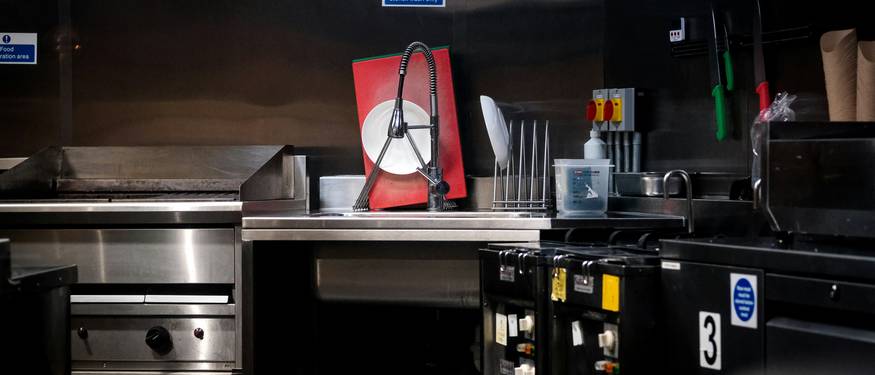
Food safety laws in Ontario are designed to protect public health by ensuring that anyone preparing, serving, or selling food follows strict standards. These regulations affect all food premises—including restaurants, food trucks, catering companies, grocery stores, daycares, schools, and many other businesses. Understanding what’s legally required, what inspectors look for, and how to stay compliant is vital for owners, managers, and staff. This complete guide breaks down the laws, inspection process, compliance checklist, and how Ontario rules compare to federal and municipal requirements.
Health Protection and Promotion Act (HPPA): The Foundation
The HPPA is the main public health law in Ontario. It sets out the powers and duties of public health units, medical officers of health, and inspectors to protect the public from health hazards—including unsafe food. The HPPA gives inspectors the right to enter food premises, issue orders, close businesses, and prosecute violations when public health is at risk.
- Enables food safety inspections at any time (no warning required)
- Mandates compliance with food safety regulations (including O. Reg. 493/17)
- Allows immediate closure of food premises for serious violations (e.g., pests, sewage, no certified staff)
- Authorizes fines up to $5,000 per infraction for individuals, $25,000 for corporations
Food Premises Regulation (O. Reg. 493/17): The Rules in Practice
Ontario Regulation 493/17 (Food Premises Regulation) spells out the specific food safety requirements for all food premises in Ontario. It covers sanitation, equipment, food handling, record keeping, staff training, and more. Every business that handles, prepares, serves, or sells food to the public must comply—unless specifically exempted.
- Mandatory food handler certification: At least one certified food handler must be on site whenever food is prepared or served.
- Sanitation and hygiene: Premises must be kept clean, sinks and handwashing stations provided, and equipment sanitized regularly.
- Temperature control: Fridges (≤4℃), freezers (≤−18℃), and hot holding (≥60℃) must be maintained and logged.
- Record keeping: Temperature logs, cleaning schedules, pest control, and staff certification records must be available for inspection.
- Allergen management and labeling: Required in many settings; failure to comply is a top violation.
Scope of Coverage: Who Must Follow Ontario Food Safety Laws?
Ontario food safety laws apply to all food premises, including (but not limited to):
- Restaurants, cafés, bars, pubs, food courts
- Food trucks, mobile vendors, pop-up kitchens
- Catering companies, banquet halls, event venues
- Grocery stores, markets, delis, bakeries
- Daycares, schools, hospitals, long-term care homes
- Convenience stores with food prep, juice bars, coffee shops
- Any business preparing, handling, or selling food to the public
Enforcement & Inspections: How Ontario Ensures Compliance
Public health inspectors routinely visit food premises to check for compliance. Inspections may be:
- Routine (scheduled, e.g., every 4–12 months)
- Complaint-based (after a customer complaint or reported illness)
- Outbreak or follow-up (after foodborne illness or previous violations)
Inspectors check cleanliness, temperature logs, staff certification, pest control, record keeping, and overall food safety practices. If violations are found, consequences may include:
- Immediate fines ($250–$5,000+ per infraction)
- Compliance orders (must fix violations by set date)
- Temporary closure (for critical risks, e.g., pests, unsafe food, no certified staff)
- Public posting of inspection results (online & at your entrance)
- Prosecution for serious or repeated violations
Legal Requirements Checklist: What Ontario Food Premises Must Do
| Business Type | Certified Staff | Temp Logs | Handwashing/Sanitation | Pest Control | Recordkeeping | Allergen Labeling |
|---|---|---|---|---|---|---|
| Restaurant/Café/Bar | ||||||
| Food Truck/Mobile Vendor | ||||||
| Grocery/Market/Deli | ||||||
| Daycare/School/Hospital | ||||||
| Bakery/Convenience (with prep) | ||||||
| Pre-Packaged Only Retailer | — | — | — | — | — | — |
Ontario vs. Federal & Municipal Food Safety Laws
Ontario Laws (HPPA, O. Reg. 493/17)
- Daily food safety operations (cleanliness, equipment, temperature, hygiene)
- Food handler certification requirement
- Inspections, fines, closures, enforcement by local public health
- Applies to all food premises in Ontario
Federal (CFIA) & Municipal Laws
- Federal (CFIA): Import/export, interprovincial trade, food labeling, recalls, wholesaling
- Municipal: Local bylaws (zoning, business licensing), may add requirements (grease traps, signage, etc.)
- Note: All levels of law may apply. When in doubt, the strictest rule governs.
Frequently Asked Questions: Ontario Food Safety Laws
- Always have a certified food handler on site during all hours of operation.
- Keep all logs (temperature, cleaning, pest) current and accessible.
- Train staff on hygiene, allergen management, and daily routines.
- Welcome inspectors and be ready to correct minor issues on the spot.
- Review your compliance checklist regularly and fix gaps proactively.