Safe Food Storage in Ontario: Guidelines & Legal Requirements
Safe food storage is essential for protecting public health, passing inspections, and maintaining your business’s reputation. Ontario law sets clear requirements for how food must be stored in restaurants, kitchens, grocery stores, and all food premises. This guide covers legal rules, practical tips, and actionable checklists to help you comply with Ontario’s food storage standards.
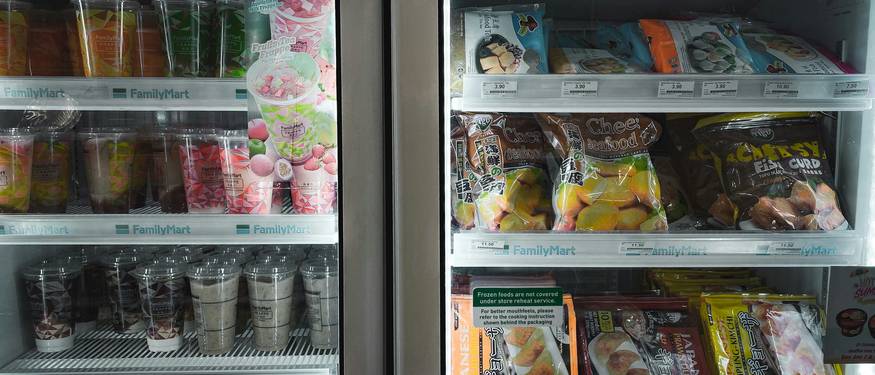
Why Safe Food Storage Matters in Ontario
Proper food storage prevents foodborne illness, protects customers with allergies, and is a legal requirement for all Ontario food premises. Failing to follow safe storage practices can lead to inspection violations, fines, and even business closure. This guide breaks down what Ontario law requires and how to make compliance simple in your workplace.
Legal Food Storage Requirements (O. Reg. 493/17)
- Separate raw and ready-to-eat foods at all times (never store together).
- All food must be stored off the floor—minimum 15cm (6 inches).
- Use food-grade, covered containers for all storage (no open, unwrapped foods).
- Label all stored foods with name and date; unlabeled items may be discarded by inspectors.
- Store chemicals, cleaning products, and personal items separately from food.
- Maintain proper fridge, freezer, and hot-holding temperatures at all times (see below).
- Allergens must be separated and clearly identified to prevent cross-contact.
For full legal text, see Ontario Food Premises Regulation (O. Reg. 493/17).
Ontario Food Storage Temperature Rules
All food premises in Ontario must keep food at safe temperatures, both to comply with the law and to prevent the growth of harmful bacteria. Temperature logs are required during inspections.
- Refrigerated (cold) foods: 4°C (39°F) or below
- Frozen foods: -18°C (0°F) or below
- Hot holding: 60°C (140°F) or above
- Do not refreeze thawed food.
- Check and log temperatures at least twice daily.
Temperature Quick Reference
| Item | Required Temp |
|---|---|
| Fridge (cold foods) | 4°C / 39°F or below |
| Freezer (frozen foods) | -18°C / 0°F or below |
| Hot Holding | 60°C / 140°F or above |
| Room Temp (unrefrigerated) | Not permitted for perishable foods |
Food Labelling Requirements Ontario
- Label every item that is not in its original, unopened package.
- Labels must include food name and date prepared or received.
- Use waterproof markers and labels that won’t fall off in cold or damp storage.
- Discard any food without a clear label or date.
- Color-coded labels can help identify allergen-containing foods.
A clear labelling system makes inspections easier and reduces food waste by enabling FIFO rotation.
FIFO Food Storage Ontario: First In, First Out
The FIFO method ensures the oldest food is used first, reducing spoilage and ensuring compliance with Ontario food safety laws.
- When adding new food, move older stock to the front of shelves.
- Always use the earliest date first—never reach past older stock.
- Discard food past its best-before or use-by date.
- Train all staff on FIFO and post visual reminders in storage areas.
Allergen Storage Best Practices Ontario
- Store allergen-containing foods on lower shelves or in separate bins to avoid cross-contact.
- Clearly label all allergen items (e.g., “Contains: Nuts”).
- Train staff to use clean gloves and utensils when handling allergens.
- Never store open allergen foods above non-allergen products.
- Use color-coded bins or labels for easy identification.
Storage Equipment: What Inspectors Look For
- Shelving: Use rust-proof, easy-to-clean shelving. Never store food on the floor or cardboard.
- Refrigerators/Freezers: Must have accurate thermometers, working seals, and allow for air circulation.
- Storage Bins: Use food-safe, covered bins for dry goods and bulk ingredients.
- Temperature Logs: Log temperatures daily and keep records ready for inspection.
- Organization: Avoid overfilling—air must circulate freely for proper cooling.
Food Storage Inspection Checklist Ontario
- All food is stored at least 15cm (6") off the floor on clean, safe shelving.
- Raw and ready-to-eat foods are separated at all times.
- All items are labeled with name and date.
- Fridges and freezers are at required temperatures (logs up to date).
- Allergens are stored and labeled separately.
- Storage areas are free from pests, mold, and spills.
- No expired or spoiled food in storage.
- Equipment is clean, undamaged, and not overcrowded.
Ontario Kitchen Storage Compliance Table
| Requirement | Ontario Regulation Reference | Check |
|---|---|---|
| Food stored off the floor (min 15cm/6") | O. Reg. 493/17, s. 26(1) | |
| Raw and ready-to-eat foods separated | O. Reg. 493/17, s. 27(1) | |
| Proper container use (covered, food-grade) | O. Reg. 493/17, s. 28(1) | |
| Labeling with name and date | O. Reg. 493/17, s. 30(1) | |
| Fridge at 4°C/39°F or below | O. Reg. 493/17, s. 31(1) | |
| Freezer at -18°C/0°F or below | O. Reg. 493/17, s. 32(1) | |
| Hot holding at 60°C/140°F or above | O. Reg. 493/17, s. 33(1) | |
| Allergen separation and labeling | O. Reg. 493/17, s. 34(1) |
- Leaving food on the floor or in open containers
- Overfilling fridges/freezers (blocks airflow, causes temperature spikes)
- Storing raw meat above ready-to-eat foods
- Unlabeled leftovers and bulk items
- Mixing allergens with other foods
- Not logging fridge/freezer temps daily
- Check fridge and freezer temps at the start of every shift
- Color-code allergen labels for easy identification
- Train all new staff on FIFO and proper labeling
- Keep extra labels and markers at each station
- Schedule regular deep-cleans of storage areas
- Prepare for inspection by walking through the compliance checklist
Safe Food Storage Ontario: Frequently Asked Questions
Related Resources
- Ontario Kitchen Hygiene Standards – Key cleanliness and hygiene requirements for food premises.
- Cleaning and Sanitizing Guide – Best practices for safe, effective cleaning routines.
- Food Storage Inspection Checklist – Printable, step-by-step checklists for daily compliance.
- Food Safety FAQ – Detailed answers to common food safety questions in Ontario.